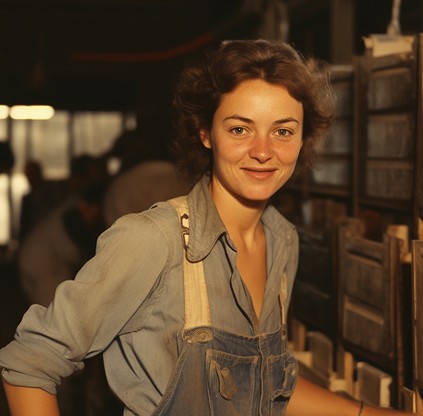
Through the twentieth century, war, persecution and political upheaval pushed researchers across the continent. Among them were women who kept working through exile, rebuilt careers in new languages, and made discoveries that mattered. Then the archives, the textbooks and the museum walls left them out.
Historians have a name for what happens to women in science: the Matilda Effect — credit for their work drifts to the men around them. Add migration and it happens twice over. A Czech-born chemist becomes a German one. A Hungarian radiochemist becomes a footnote.
Forgotten Pioneers finds these women, tells their stories properly, and puts them where people will meet them — in classrooms, youth clubs, museums, online courses and public festivals across Europe.
When migrant women are missing from the history of science, today's migrant women look like anomalies. That has consequences you can measure.
Four in ten migrant women with a degree are working below their qualifications, against two in ten women born in the country. In some countries, more than half of women aged 20–34 born outside the EU are overqualified for the job they have.
Meanwhile the pattern repeats in real time. Since the invasion of Ukraine, UNESCO estimates that between 10 and 20 per cent of Ukrainian scientists have had to leave their workplaces, and more than half can't continue their research at the level they did before. Most of the people juggling that with caring responsibilities are women.
And the classroom is where it gets passed on: nine in ten teachers tell us these women simply never come up, mostly because nobody has ever given them the material.